
Inosaurus Facts
Pronunciation: eye-no-SORE-us
Name meaning: Fibre Lizard
| Diet | Carnivore |
| Height | Unknown |
| Length | Unknown |
| Environment | Land |
| Era | Cretaceous |
| Period | Early Cretaceous |
| Type | Theropod |
| Location | Niger And Possibly Egypt |
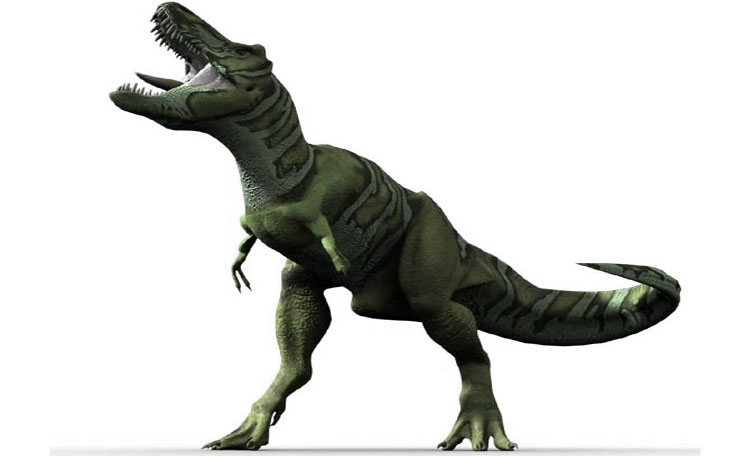
| Diet | Carnivore |
| Height | Unknown |
| Length | Unknown |
| Environment | Land |
| Era | Cretaceous |
| Period | Early Cretaceous |
| Type | Theropod |
| Location | Niger And Possibly Egypt |
Inosaurus is a mysterious theropod dinosaur known from the Early Cretaceous period, approximately 143 to 106 million years ago. However, it's important to note that Inosaurus is considered a 'nomen dubium' - a scientific term meaning 'doubtful name' - because it's based on very fragmentary fossil remains that don't provide enough information to definitively identify it as a distinct genus.
The fossils attributed to Inosaurus were discovered in the Continental intercalaire and Echkar Formations of Niger, with possible additional remains from Egypt's Baharija Formation. These geological formations have yielded numerous dinosaur fossils, making them important sites for understanding Cretaceous ecosystems in North Africa during a time when the climate was much warmer and more humid than today.
As a theropod, Inosaurus would have been a bipedal carnivore, walking on two powerful hind legs and using its sharp teeth and claws to catch prey. The theropod group includes famous predators like Tyrannosaurus rex and Allosaurus, though without more complete remains, we cannot determine Inosaurus's exact size, appearance, or hunting strategies.
The fragmentary nature of Inosaurus's fossil record highlights one of palaeontology's ongoing challenges - sometimes we find tantalising glimpses of ancient life, but not enough evidence to fully understand these prehistoric creatures. This makes every new fossil discovery potentially valuable for filling in the gaps of our knowledge about dinosaur diversity in Cretaceous Africa.
Due to the fragmentary nature of the fossil remains, no distinctive features can be reliably identified for Inosaurus. The limited material makes it impossible to determine what characteristics might have set this theropod apart from its contemporaries.
The behaviour of Inosaurus cannot be determined due to the extremely limited fossil evidence available. As a theropod, it would likely have been an active predator, but specific hunting strategies or social behaviours remain unknown.
Inosaurus was first described by Philippe Taquet in 1976. The original fossils were discovered at Continental intercalaire and Echkar Formation, Niger.